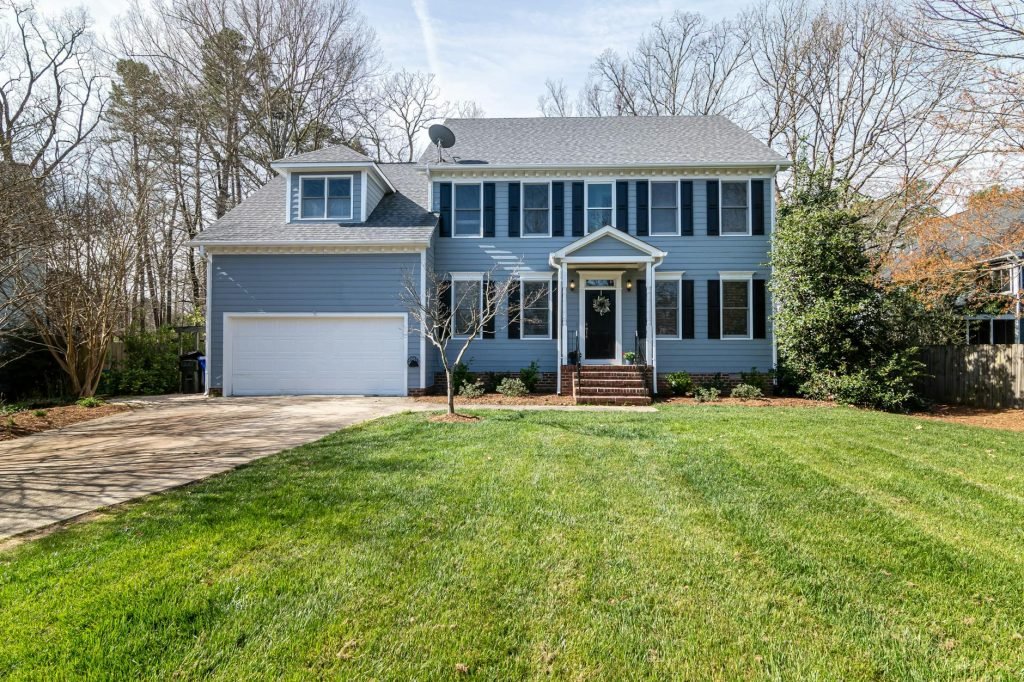
Your garage door makes a big impression on your home’s curb appeal.
Did you know upgrading your door can recoup nearly 200% of its cost?
In 2024 the average replacement ran about $4,513 but added roughly $8,751 to resale value.
In Maryland our neighborhoods range from Baltimore’s brick rowhouses to Annapolis waterfront estates, so the perfect door varies by block.
If you’re drawn to timeless charm, exploring traditional garage door styles could be your best design move.
I’ll walk you through classic details, show how to compare modern options, and help you pick materials, finishes, and features that fit your home.
Ready to see which classic look fits your home? Let’s dive in.
Understand traditional garage doors
Ever wondered why classic garage doors never go out of style? They trace their roots back to horse-drawn carriage houses, where swing-out wood doors showcased craftsmanship and ornate detailing. Today’s overhead versions honor that heritage with visual flourishes and reliable mechanics.
Defining traditional styles
So what makes a garage door fall under traditional styles? Usually it’s a nod to historical architecture. You’ll see:
- Raised panels to add depth without overkill
- Decorative moldings and trim echoing classic cabinetry
- Window inserts with divided lites for a carriage-house vibe
Materials play a big role too. Natural wood doors stand out with unique grain patterns. Composite models mimic that wood look without warping. Steel options with a woodgrain finish bridge durability and charm. Colors often stick to whites, earthy browns, or subtle pastels so your door matches the style of Colonial, Victorian, or Craftsman homes.
Benefits of classic doors
Traditional garage door styles bring more than just a pretty face. Benefits at a glance:
- Timeless curb appeal that never goes out of style
- Simple mechanics mean fewer electronics to service or replace
- Plenty of customization, from stain finishes to vintage hardware
A well-crafted traditional door also offers long-term reliability. Many homeowners report that a charming wood or composite design not only boosts their home’s character but also its resale value.
A brief history
Early 20th-century garages looked a lot like small barns, complete with swinging doors and intricate trim. As overhead spring mechanisms gained popularity, manufacturers kept the decorative elements while making doors easier to open. That balance of nostalgia and convenience defines today’s traditional options.
Compare modern vs traditional
Aesthetic differences
Traditional doors play up classic details like raised panels, ornate trim, and wood-grain textures. They complement Colonial, Victorian, and Craftsman facades. Modern doors flip the script with flush panels, large glass panes, and sleek aluminum or steel frames. Colors run neutral—black, gray, or bold earth tones—to match contemporary exteriors. If you want a gallery-worthy entrance, modern is your canvas; if you prefer time-tested charm, traditional has your back.
Functional features
When it comes to functionality, modern doors often pack more tech. Think Wi-Fi enabled openers, motion sensors for security, enhanced insulation, and noise reduction. You can unlock and monitor your garage on your phone, set schedules, or adjust temperature controls.
Traditional garage doors focus on straightforward reliability. They typically use basic motors or manual lifts, resisting breakdowns since there are fewer electronic parts. Which matters more to you: cutting-edge convenience or low-maintenance simplicity?
| Feature | Traditional | Modern |
|---|---|---|
| Panel style | Raised or recessed panels | Flush panels or full-glass |
| Material | Wood, composite, steel with finish | Aluminum, steel, glass |
| Color palette | Whites, browns, pastels | Black, gray, earth tones |
| Tech integration | Basic openers | Smart openers, security sensors |
| Insulation options | Minimal to moderate | High R-value cores available |
| Maintenance needs | Occasional painting or sealing | Occasional software or sensor updates |
For a closer look at sleek contemporary lines, explore our modern garage door designs and top modern garage door features.
Choose materials for style
Natural wood options
Wood is the OG material for traditional garage door styles. You get genuine warmth from unique grain patterns and textures. You can choose from cedar, redwood, or mahogany depending on your budget and desired look. The drawback—wood requires regular sealing, painting, or staining to ward off rot and warping. But if you’re after that authentic storybook charm, wood is hard to beat. Which species suits your taste?
- Cedar: naturally resistant to insects and decay
- Redwood: premium grain, needs frequent sealing
- Mahogany: rich color, higher price point
Composite alternatives
Composite doors, sometimes called faux wood, mimic natural timber without the upkeep headaches. A mix of wood fibers and resin gives you realistic grooves and overlays, plus better resistance to cracking, shrinking, and rot. They cost more upfront than steel but less than premium wood, and they often include factory-applied finishes that stay fresh for years. For a classic look minus the maintenance, composites fit the bill.
- Pros: low maintenance, durable, stable in various climates
- Cons: higher initial cost, limited color range
Most composite models carry 10–15 year finish warranties, so you can enjoy that wood-grain vibe without constant repainting.
Steel and aluminum
Looking for a balance between durability and style? Steel and aluminum doors can be stamped or finished with woodgrain textures to echo traditional looks. Steel doors are strong and affordable though prone to dents and corrosion in coastal areas. Aluminum resists rust but dents more easily and offers lower insulation. Both materials come in insulated versions, which boost energy efficiency in your garage.
| Material | Pros | Cons |
|---|---|---|
| Steel | Affordable, durable, customizable | Susceptible to dents, rust |
| Aluminum | Rust-resistant, lightweight | Less insulating, dent-prone |
| Composite | Realistic look, low upkeep | Higher cost, fewer color options |
Consider your climate, budget, and desired look when picking materials. Your choice will affect maintenance, energy bills, and the lasting beauty of your door.
Pick design elements
Panel layouts
Panel style sets the tone for your door’s look. Raised panels are the hallmark of traditional designs, adding shadow lines and depth. Recessed or shaker panels offer a cleaner, rustic vibe. Carriage-house overlays mimic swinging barn doors yet function like overhead doors, giving you that farmstead charm. Think about symmetry and scale—four rows of panels suit a standard door, while larger homes can handle more elaborate grids.
- Raised panel: classic depth
- Recessed panel: subtle texture
- Carriage house: overlay accents
You can even mix panel sizes or add crown molding at the top for a truly custom look.
Decorative hardware
Want to add a touch of old-world charm? Decorative hardware makes a big impact. Vintage-style handles, hinges, and straps can transform a plain door into a statement piece. Choose forged iron for authentic looks or lightweight resin replicas for a budget-friendly alternative. Remember to match hardware finishes to your home’s existing trim and fixtures for a cohesive appearance.
- Hinges: T-strap, Z-strap, ornamental
- Handles: bail pulls, ring pulls
- Finishes: wrought iron, antique bronze
Find more ideas in our traditional garage door hardware guide.
Window accents
Windows let in natural light and break up solid panels. In traditional styles you’ll often spot divided lites—small panes that mimic colonial windows. Decorative mullions and arch tops add elegance. Clear glass feels classic, while frosted or tinted options boost privacy. Placement is key—top panels keep the door strong below while letting light in at eye level.
- Square lites: straightforward look
- Arched windows: graceful curve
- Diamond pattern: distinctive flair
Consider low-E glass coatings to improve energy efficiency.
Explore more window layouts in our traditional garage door windows article.
Match your home’s architecture
Not sure how to tie your garage into your home’s look? Each architectural style calls for a different approach. Let’s break down a few Maryland favorites.
Colonial and Victorian
Colonial and Victorian homes thrive on symmetry and ornamentation. For Colonial properties, choose raised panel doors in crisp white or soft beige. Victorian designs call for more decorative trim—perhaps an arched window or pastel hue to complement gingerbread details. Hardware in antique brass or wrought iron pairs beautifully.
- Color picks: white, cream, light gray
- Trim accents: dentil moulding, corbels
- Hardware: polished bronze, iron strap hinges
See more classic garage door options for historic homes.
Craftsman and bungalow
Craftsman and bungalow styles lean into natural materials and earthy tones. A stained wood door or composite panel that shows the grain harmonizes with exposed rafters and stone accents. Windows should be simple rectangles or small grids to echo interior moldings. Black or oil-rubbed bronze hardware feels right at home here.
- Finishes: oak stain, driftwood gray
- Window style: horizontal grids
- Hardware: simple handles, robust plates
Modern farmhouse
Modern farmhouse designs mix rustic warmth with clean lines. White or soft gray doors with minimal panels keep things fresh. You can add a hint of carriage-house flair with simple X-brace overlays. Black hardware and sleek rectangular windows tie into metal roof accents. For more inspiration specific to the region, check out contemporary garage doors maryland.
- Door color: white, light gray, charcoal
- Accent trim: minimal moulding
- Hardware: matte black straps and handles
Ranch and midcentury
Ranch and midcentury homes in Maryland often feature low roofs and horizontal lines. For these designs, choose a door with simple recessed panels or flush surfaces. A light walnut stain or neutral gray works well. Consider narrow windows along the top edge to maintain the horizontal emphasis. Minimal hardware keeps the look streamlined.
- Panel choice: shallow recessed or flush
- Window placement: top strip lights
- Color picks: warm wood tones, soft gray
Factor in functionality
Insulation and energy saving
Want to keep energy bills down? Insulated garage doors can act like an extra blanket for your home. Insulation values, or R-values, range from R-6 in basic traditional models up to R-24 in premium modern doors. Traditional doors often have minimal insulation, so look for composite or steel options with foamed cores. Better insulation keeps your garage warmer in winter, cooler in summer, and can reduce drafts through the house.
- R-6: basic, minimal insulation
- R-12: improved comfort, moderate cost
- R-24: top-tier performance, higher investment
Some counties even require fire-rated doors for attached garages—check your local code.
Smart features comparison
While pure traditional doors stick to basics, you can still add tech upgrades. If you want in-app alerts or remote access, consider pairing your classic style door with a smart opener. Many modern units support Wi-Fi, motion sensors, and voice commands. Compare features like auto-close timers, camera integration, and mobile alerts. For the latest options, see modern garage door features.
- Smart openers with smartphone control
- Motion-activated lights for safety
- App-based maintenance reminders
Maintenance needs
Traditional doors need a bit more love to stay looking their best. Wood models require repainting or staining every few years to prevent rot and UV damage. Composite and steel doors need occasional cleaning and hardware lubrication. Inspect weather seals annually and replace them if they crack. Keeping your door in good shape means fewer surprises and a longer lifespan.
- Annual seal and hardware check
- Clean tracks and rollers twice a year
- Repaint or recoat wood every 2–3 years
Set your budget wisely
Cost vs value
Garage door budgets can range from $1,000 for a basic steel door up to $10,000 or more for custom wood carriage-house models. You’ll typically spend around $4,500 for a midrange traditional door and installation in 2024. Factors that influence price include material, panel complexity, window inserts, decorative hardware, and insulation.
- Entry-level steel: $1,000–$2,500
- Midrange composites: $3,000–$5,000
- Premium wood: $6,000+
- Hardware and finish: add 10–20%
Consider seasonal promotions—many suppliers offer discounts in late winter when business slows.
ROI considerations
Wondering how much you’ll get back at resale time? According to industry data, homeowners recoup about 194% of their garage door replacement cost. In 2024, a $4,513 investment translated into an $8,751 increase in resale value. That makes it one of the best home upgrades for boosting curb appeal and market price. Check local maryland garage door trends to fine-tune your decision with regional insights.
Other benefits to factor in:
- Lower energy costs with better insulation
- Enhanced security features
- Improved street appeal for quicker sales
Work with professionals
Need help finding the right installer? A good team makes all the difference in outcome and satisfaction.
Choosing a supplier
Pick a garage door supplier with strong local roots and proven warranties. Ask to see finish and hardware samples in person. Read customer reviews for on-time installation and responsive service. You’ll feel more confident when you know your supplier stands behind their work.
- Verify manufacturer certifications
- Ask about material and labor warranty terms
- Compare at least three bids
Local installation tips
Installing in Maryland comes with climate considerations. In coastal areas choose corrosion-resistant hardware and finishes. In snowy regions make sure tracks and springs are rated for cold weather. Confirm installers hold the correct county licenses and insurance. Clear the driveway and garage entry before they arrive for a smooth install.
- Remove vehicles and obstacles
- Label existing wiring and sensors
- Confirm installation date, time, and payment terms
HOA and permit guidance
Many Maryland neighborhoods have homeowners associations and building codes. You may need approval for color changes or style updates. Submit design plans early and include product samples. Permits vary by county, so check with your local building department. Planning ahead means you avoid delays and unexpected fees.
- Review HOA design covenants
- Submit permit applications 4–6 weeks ahead
- Keep copies of all approvals on file
Summary and next steps
Traditional garage door styles offer timeless charm, reliable performance, and strong resale value. You’ve learned how to spot classic details, compare them with modern options, pick the right materials, and match your door to your Maryland home’s architecture. Now it’s time to bring your vision to life. Browse local suppliers, request finish samples, and schedule a consultation. If you found this guide helpful, share it with a friend or drop a comment below with your favorite style idea.